Showing posts with label #Herbalife. Show all posts

Monday, July 20, 2026

What Elite Athletes Do on Their Rest Days — And Why You Should Copy Them


Most people would picture a match, a training session, a weight room, and perhaps a dramatic-looking recovery shake if you asked them to imagine the day of an elite athlete.

But after years of working with sports performance nutrition, Dr. Luigi Gratton, VP of Health and Wellness at Herbalife, has discovered that “The habits that make elite athletes elite are not the flashy ones. They are the small, repeatable things the best players in the world do on the days no one is watching.”  On the days when no one is around, the world's top players engage in these little, consistent behaviors. 

It's Tuesday. on a day when you're off. during the offseason's second week. The majority of the work is done during the Repeat pillar of performance, which occurs when you are not competing.

The good news is that everyone can support a healthy, active life by adopting the same habits that support a professional career. To eat and live like a pro, you don't need to train like one.

These are the routines that top athletes consistently follow, and Dr. Gratton explains how to apply them to everyday life.


Habit 1: Protein at every meal

Protein is not considered a post-workout afterthought by the top athletes that Dr. Gratton works with. Rather, they distribute it throughout the day at intervals of roughly 20 to 40 grams every three to four hours, with a goal of about 30 grams during the training window. This could include a breakfast of eggs and Greek yogurt, a lunch of chicken or fish, a snack of a shake or bar, and a dinner that is anchored in protein.

Why is it important? Since protein is used for more than just muscle growth. Maintaining it as we age, boosting immunity, generating hormones and enzymes, and feeling satisfied enough to make healthy food choices throughout the day are all important. You get all those advantages in a way that seems effortless if you spread it out.


Habit 2: Carbs that match the workload

Although they do not eat carbohydrates at random, elite athletes do not fear them. Intake and activity are matched. They aim to consume 50 to 75 grams of carbohydrates in an hour following a strenuous workout, usually from commonplace items like a granola bar, chocolate milk, a bowl of cereal with milk, a peanut butter and jelly sandwich, or flavored yogurt. They reduce the intake on lighter days.

The lesson is the same for most people: your activity level determines how many carbohydrates you need. Your plate should show that a training day is not the same as a rest day.


Habit 3: Hydration on a schedule

Another habit that top athletes seldom neglect is staying hydrated.

As a starting point, Dr. Gratton suggests consuming at least half of your body weight (measured in pounds) in ounces of fluid each day. A 160-pound individual aims for 80 ounces. Add an additional 20 to 30 ounces for each hour of intense, sweaty exercise. Waiting until you are thirsty, which is by definition waiting until you are already behind, is less dependable than this straightforward math.

Plain water is insufficient if you are working out vigorously or in the heat. To actually retain fluid in the body, you need sodium and, ideally, some potassium.


Habit 4: Sleep is not optional

Out of all the habits shared by elite athletes, this is the one that is most frequently disregarded and poorly imitated. 

Nine to seven hours. Every evening. It is a non-negotiable component of the program, not a suggestion.

Growth hormone is released, muscle tissue is repaired, the nervous system is reset, and learning is consolidated by the brain during sleep. Sleep deprivation causes athletes to perform worse, become ill more frequently, and recuperate more slowly. Everyone else is in the same situation.


Habit 5: Dark-colored fruits and vegetables, every day

Not once a week. Every day. 

Berries, leafy greens, cherries, beets, red grapes, purple cabbage and dark-colored peppers. These foods deliver antioxidants that regulate inflammation, support immune function and provide the vitamins and minerals that restore energy. 

They are not a supplement or a hack. They are the floor.


Habit 6: Active recovery on rest days

“A rest day does not mean the couch. Elite nutrition is not about what you do on match day. It is about what you never skip on a Tuesday.” ~Dr. Luigi Gratton, VP of Health and Wellness at Herbalife

The elite athletes he works with use their rest days for walking, gentle cycling, yoga, stretching, foam rolling and other low-intensity movement. Active recovery improves blood circulation, which clears metabolic waste from the muscles while giving the body room to repair.

The most important thing rest days do is prevent overtraining, chronic fatigue and injury. They are not a pause in the program. They are part of it.


The real secret

Here is what no one tells you about elite performance nutrition: it is not a secret. It is not complicated. It is not expensive. 

It is protein at every meal, carbs that match your workload, daily hydration, eight hours of sleep, dark-colored produce and active recovery. Done consistently. Done on the days nobody is watching.


About Herbalife Ltd.
Herbalife (NYSE: HLF) is a premier health and wellness company, community and platform that has been changing people’s lives with great nutrition products and a business opportunity for its independent distributors since 1980. The Company offers science-backed products to consumers in more than 90 markets through entrepreneurial distributors who provide one-on-one coaching and a supportive community that inspires their customers to embrace a healthier, more active lifestyle to live their best life.

Monday, June 23, 2025

How to Boost Your Immune System Through Nutrition


People typically think about their immune system's function in fending off infections or colds.  On the other hand, nutrition and the immune system are directly related. 

One of our best lines of defense against viral infections is our immune system.  All people's bodies have two types of immune functions: innate immunity, which keeps illnesses from entering the body, and adaptive immunity, which gets rid of or stops the growth of pathogens like bacteria and viruses.

The immune system of a malnourished individual shuts down. People who are overweight or obese experience inflammation due to an overactive immune system.  In the Philippines, where the 2021 Expanded National Nutrition Survey (ENNS) found that 14.8% of adults are obese and 29.5% are overweight, this is very alarming. Sedentary lifestyles and poor dietary choices are linked to this rising trend.

Additionally, Filipinos are more vulnerable to respiratory infections, the flu, and the common cold as the country moves into the rainy season, which emphasizes the need of immunological health.


How Nutrition Impacts the Body’s Immune System

Nutrition and the immune system have a real relationship.  Chemical responses that affect our health can be caused by our diet, living situation, sleep patterns, exercise habits, and even the people we live with. 
 
Included in the mix is the microbiome, which is composed of the bacteria that help us fight off infections, digest food for energy, make essential vitamins, and strengthen our immune system.

Near the intestines, the majority of the immune system (about 70%) is situated and keeps track of food intake and how the body uses it.  In order to maintain a healthy lifestyle, it is imperative that we eat a balanced diet that contains the appropriate vitamins, minerals, and nutrients.


4 Tips to Increase Nutrients that Help Strengthen the Immune System

Eating a balanced diet requires ensuring that there is optimal nutrition intake at a cellular level. Make sure you consume enough of the following nutrients:  

1. Include protein in your daily nutrition. 

Often referred to as the fundamental building block of the body, protein enables the body to produce the antibodies it needs to fight off bacterial and viral invasions. Healthy protein foods like fish, poultry, lean meats, soy products like tofu and tempeh, and low-fat dairy products can all help us make sure that our diets contain enough protein.

2. Incorporate vitamins and phytonutrients. 

The immune system depends on vitamins A and C as well as phytonutrients. Vitamin C, one of the strongest immune system enhancers, promotes the production of antibodies that combat illness.  Since vitamin C cannot be produced or stored by the body, it must be consumed regularly. Our skin, digestive tract tissues, and respiratory system are all supported by vitamin A.

Vegetables and fruits are a good source of phytonutrients, which lower oxidative stress in our bodies, which may make it harder for them to fight against disease.  It has been demonstrated that certain phytonutrients lower blood pressure, fight inflammation, improve the general health of our immune system, and lessen the risk of cardiovascular and cancer diseases.


3. Focus on gut health with probiotics and prebiotics. 

An essential component of immune function support is the digestive system.  As the primary avenue for interaction with the outside world, the digestive tract is also home to the microbiota that facilitates both digestion and nutrient absorption.  Though research in these areas is not definitive or generally applicable, having the correct gut flora has been linked to advantages like weight loss, better digestion, healthier skin, and—most importantly—enhanced immune function. 

The digestive tract may be maintained with the help of probiotics, or "good bacteria," according to studies. These probiotics are fed on prebiotics, which are fibers that the human body cannot digest.


4. Increase omega-3 fatty acids. 

Foods like shellfish, flax, and chia seeds, as well as supplements like fish oil, include omega-3 fatty acids, which include DHA and EPA. These fats are essential types of fat. Immune cells are important components of the innate and adaptive systems that fight infections, and omega-3 fatty acids may improve their performance. 
 
Your first line of defense and the greatest method to naturally maintain a robust and healthy immune system is to follow basic good-health standards, such as eating a balanced diet and exercising frequently.

ImmuLift is a supplemental drink that Herbalife just introduced in the Philippines to increase immunity.  ImmuLift is formulated with a special combination of ingredients: Vitamin C, Vitamin D3, Zinc, Selenium, and EpiCor® (a clinically researched ingredient that strengthens the body's first and second lines of defense). It is intended for adults to support their everyday wellness and help maintain their body's natural defenses.

Sunday, April 24, 2022

Herbalife Nutrition and National Parks Development Committee Plant “Seedling” Bike Racks in Luneta Park

Herbalife Nutrition and National Parks Development Committee Plant “Seedling” Bike Racks in Luneta Park


Herbalife Nutrition, in collaboration  with the National Parks Development Committee (NPDC), unveiled on April 2, 2022 bike racks in Luneta Park. The installation of Herbalife Nutrition-branded bike racks in various locations around the park represents a further step taken by the Company to encourage sustainable mobility and a healthy active lifestyle among Filipinos. 

“We have noticed that the Philippines is starting to develop a cycling culture as a result of the challenges in mobility caused by the pandemic. More Filipinos have started cycling not just for recreation, but for traveling to work, the grocery and other destinations. As a global nutrition company that advocates a healthy active lifestyle supported by good nutrition, we are glad to see our fellow Filipinos becoming more physically active. Environmental sustainability is part of Herbalife Nutrition’s commitment to supporting a better, healthier World, and is embedded in both our day-to-day activities and our long-term business strategy.~Allan Domingo, General Manager of Herbalife Nutrition Philippines

Herbalife Nutrition and National Parks Development Committee Plant “Seedling” Bike Racks in Luneta Park


Domingo noted that not only would cycling bring health benefits to people, but also contribute to  a healthier environment.

Luneta Park, also known as Rizal Park, is one of the largest urban parks in Asia, covering 58 hectares. Located in the capital city of Manila, it is one of the country’s major tourist attractions, visited by local and foreign tourists alike.


Herbalife Nutrition and National Parks Development Committee Plant “Seedling” Bike Racks in Luneta Park


The bike racks in Rizal Park were constructed based on a design by Eggshell Worldwide Communications, Inc., the creative agency behind the bike rack art installations that were also launched in Manila last year.

Called “Seedlings”, the bike racks serve as a reminder that nature also needs time and care to reach their optimal state.

The Philippines is one of the countries in  Asia Pacific with strong private sector participation in driving sustainability programs. Herbalife Nutrition seeks to partner with more private companies and local government units to establish more cycling  infrastructure in key cities across the country.


About Herbalife Nutrition Ltd.
Herbalife Nutrition (NYSE: HLF) is a global company that has been changing people's lives with great nutrition products and a business opportunity for its independent distributors since 1980. The Company offers high-quality, science-backed products, sold in over 90 countries by entrepreneurial distributors who provide one-on-one coaching and a supportive community that inspires their customers to embrace a healthier, more active lifestyle. Through the Company's global campaign to eradicate hunger, Herbalife Nutrition is also committed to bringing nutrition and education to communities around the world.

For more information, please visit IAmHerbalifeNutrition.com.


Saturday, February 26, 2022

How the pandemic sparked changes to Gen Zs and Millennials’ breakfast habits


Forming new habits is not always easy. It takes determination, strong willpower, and a right environment to start something new. Research has shown that on average, it takes 66 days, equivalent to over two months, for a new behavior to become automatic. 

Over the past year, with more consumers staying at home as a result of the pandemic, new habits were being formed. According to the Asia Pacific Breakfast Habits Survey 2021 conducted by Herbalife Nutrition to understand the impact of the current pandemic on consumers’ breakfast attitudes and habits as well as the behavior preferences of different demographic groups, two in five (37 percent) Gen Zs and Millennials in the region began eating breakfast more often and half of the respondents who started doing so said they ate breakfast six to seven more days per week. 

When it comes to positive breakfast habits, they mainly involve two key considerations – the frequency of eating breakfast and the nutrition that goes into it to make a healthy meal. 

As revealed by the survey, Gen Zs and Millennials have increased their breakfast frequencies because of their motivation to improve health and well-being (65 percent); ability to prepare breakfast with more time on hand (48 percent); and their desire to use this time at home to make a positive lifestyle change (41 percent). In addition, they have also started eating healthier by incorporating more vegetables and fruits (57 percent); have a nutritionally balanced meal (54 percent); and drank more water (52 percent).  

While there have been positive changes to their breakfast habits, making consuming breakfast a daily commitment does require effort and determination to ensure that these good habits stick. 

Here are some tips offered by Susan Bowerman, Senior Director, Worldwide Nutrition Education and Training, Herbalife Nutrition, on the benefits of a healthy breakfast and how to ensure that their positive breakfast habits last. 
What Is a Good Breakfast?

The foods you eat for breakfast can affect how you feel and perform throughout your morning. There are several things that a good breakfast can do for you.


A healthy breakfast can:
  • Keep you fueled up until your next meal or snack. A well balanced breakfast should provide you with staying power. Foods with protein help to satisfy hunger, and high fiber foods help to fill you up.
  • Supply your body and brain with energy. In the morning, your body’s gas tank is running close to empty. When you eat the right foods for breakfast, you’re providing your muscles and brain with the fuel they need for optimal performance.
  • Help avoid blood sugar swings and reduce cravings. A balanced meal that contains both protein and healthy carbohydrates can provide sustained energy throughout your system, and help prevent wild swings in your blood sugar that trigger cravings for sweets or other unhealthy foods. (This applies as long as you don’t have any medical issues regarding your body’s ability to regulate your blood sugar.)
  • Help you make better food choices throughout the day. Breakfast skippers often experience food cravings for sweets and fats that can persist throughout the day. When breakfast is eaten, the cravings for sweets drop dramatically. If the breakfast is high in protein, it tends to also reduce cravings for salty, fatty foods. So, the right foods in the morning can help reduce cravings for unhealthy foods later in the day, and steer you towards healthier choices.
  • Provide enough protein to help support muscle health. Eating enough protein in the morning not only helps satisfy hunger, it can also help maintain muscle health. For many people, typical daily meals tend to provide little protein at breakfast, a bit more at lunch, and a much larger amount at dinner. This is a pattern that may not provide the best conditions for building and repairing muscle tissue. Muscle protein synthesis can improve when protein intake is more evenly distributed throughout the day.


Don’t skip breakfast 

With the many benefits that a healthy breakfast offers, it’s a meal that shouldn’t be so casually dismissed.

However, whether you are working from home or working from office, it is easy and convenient to skip breakfast just for those extra few minutes of sleep, especially on days when it is challenging to wake up because of a cool rainy morning or pulling an intense late night the previous night. 

With this in mind, perhaps making a few simple changes to daily living might do the trick – such as waking up 15 minutes earlier each day to prepare a quick and nutritious breakfast.


Incorporating a nutritious breakfast everyday
When it comes to selecting what to eat for breakfast, a healthy, balanced breakfast should provide you with a decent amount of protein (20-30 grams is a good target). This helps satisfy hunger and supports muscle health, and along with some healthy carbohydrates can provide sustained energy and fiber. Carbohydrates should include, at the very least, some fruits or vegetables. If your calorie budget allows, add some whole grains as well.

On days where you want an all-in-one breakfast that delivers the right nutritional balance for you body, breakfast protein shakes are good options to consider, like the Herbalife Nutrition Formula 1 Shake. It is easy to prepare and provides all the nutrients required to start your day right. 

Consuming a healthy breakfast can bring you many benefits in the long run. All you need to have a healthy breakfast every day is a little time and commitment!


About Herbalife Nutrition Ltd.
Herbalife Nutrition (NYSE: HLF) is a global company that has been changing people's lives with great nutrition products and a business opportunity for its independent distributors since 1980. The Company offers high-quality, science-backed products, sold in over 90 countries by entrepreneurial distributors who provide one-on-one coaching and a supportive community that inspires their customers to embrace a healthier, more active lifestyle. Through the Company's global campaign to eradicate hunger, Herbalife Nutrition is also committed to bringing nutrition and education to communities around the world.

For more information, please visit IAmHerbalifeNutrition.com.

Wednesday, April 7, 2021

Foods to Nourish Your Skin and Hair: Understanding Outer Nutrition


Laura Chacon-Garbato
Director, Worldwide Nutrition Product Training and Education, Herbalife Nutrition

Nutrition is all about nourishing the body with the right foods and nutrients. Some people, however, tend to forget that our skin and hair also need nourishment and that they play important roles in our overall health and wellness.

The skin is the body’s largest organ; it serves as the primary barrier against pathogens in the environment. Our skin also serves as protection from a loss of fluid from inside the body, which is why we should keep our skin healthy and protected from ultraviolet light. Similarly, our hair provides heat insulation and cooling and protects us from ultraviolet radiation.


  • What Is Outer Nutrition and Why Is It Important?
In my role, I have the pleasure of training and educating independent distributors around the world about our company’s holistic approach to health and wellness. We teach our members about the importance of nourishing the body inside and out.

What we call “Outer Nutrition” is simply about achieving and maintaining healthy skin and hair. Just as your heart, brain, and muscles need proper nutrition for long-term health, your skin and hair require the right nourishment to be able to perform their functions: protection, thermoregulation, sensory perception, secretion, and excretion.

This might not come as a surprise, but inner and outer nutrition are deeply connected.


  • What You Eat Affects the Health of Your Skin and Hair
The condition of your skin and hair is affected by your diet, age, and environmental conditions. You can’t control some of these factors – like aging or climate – but you can manage what you eat, so it supports your skin and hair.

A variety of nutrients, including protein, antioxidants, vitamins, and collagen can help improve the health of your skin and hair. People with good-looking skin and hair tend to have daily healthy habits!

Here are my recommended foods and nutrients for healthy, glowing skin and hair:


  • Eat Protein-rich Foods to Repair Your Cells.
Every cell needs protein to maintain its life. Protein is also the primary material used to “replace” worn-out or dead cells. Your muscles, hair, nails, skin, and eyes are made of protein. A diet low in protein, over the course of many months, can cause a loss in skin tone, thinning hair, and wrinkles beyond what would be reasonable for chronological age.

Including protein in your diet from sources like chicken, meat, fish, soy or tofu will help you solve that concern. Meal replacement protein shakes are also great options for protein consumption.


  • Get Your Vitamins A, C, and E.
While protein is essential to achieving healthy skin and hair, vitamins with antioxidant properties – such as vitamin A, C, and E – are also crucial.

Deficiencies in any of these micronutrients can affect the health of your skin. The skin easily shows the effects of oxidative damage, and antioxidants have been shown to be potent in protecting the skin from oxidative damage.


Here’s how vitamin A, C, and E support outer nutrition:

  • Vitamin A
There are two types of vitamin A: retinoids (preformed vitamin A) and carotenoids (preformed vitamin A). The liver converts both types into retinol, which stimulates the production of new skin cells and prevents hair loss.

Good sources of vitamin A are fruits and vegetables rich in yellow to red pigments, as well as green leafy vegetables.


  • Vitamin C
Vitamin C is crucial for the body to be able to naturally create its own collagen. When there is a Vitamin C deficiency, unstable collagen is produced, which provides a weak structural framework for tissue repair. Vitamin C is also involved in the formation of certain lipids that help reconstruct the epidermis – the outermost layer of skin – when damaged.

Good sources of vitamin C are citrus fruit, such as oranges and lemons, peppers, strawberries, broccoli, and kale.


  • Vitamin E
Vitamin E functions as a chain-breaking antioxidant due to its ability to rapidly expel radicals before they can react with other lipids, thereby ending the propagation of oxidative processes in membranes. Additionally, vitamin E helps to strengthen skin barrier function.

Good sources of vitamin E are sunflower seeds, almonds, peanuts, pumpkins, and red bell peppers.

Taking a daily multivitamin is also an excellent way to ensure you are providing your skin with the micronutrients it needs to look healthy.


  • Try Collagen-rich Foods and Supplements.
During the aging process, which starts in your mid-20s, the skin suffers from a progressive loss of moisture and becomes increasingly dry. When this happens, the dermis becomes thinner; the connective tissue loses its firmness and elasticity, and wrinkles and sagging start to occur.

The human body’s collagen accounts for 25 percent to 30 percent of its total protein, of which about 75 percent is skin collagen. Collagen is located primarily in the connective tissue, and it’s responsible for giving the dermis its firm structure.

Some examples of collagen-rich foods include leafy greens, red and yellow vegetables, berries, citrus fruits, fish, chicken, egg whites, avocados, soy, beans, and white tea.

Collagen is also available as a nutritional supplement. Hydrolyzed collagen – a type of collagen that can be easily absorbed into the bloodstream when used as a supplement – can increase skin elasticity, skin density, reduce wrinkles, and support smooth skin.


  • Finally, Don’t Forget to Stay Hydrated!
Did you know that a significant amount of skin tissue is made up of water? About 25 to 30 percent. For this reason, it’s important to drink lots of fluids to avoid dry and dehydrated skin.

As you can see, nutrition plays a vital role in having healthy skin and hair. It’s the best path to looking and feeling great. When you nourish your body from the inside out, with the proper food and nutrients, your body will thank you with youthful and radiant skin and hair, ultimately promoting better wellness and greater confidence.


About Herbalife Nutrition
Herbalife Nutrition is a global company that has been changing people's lives with great nutrition products and a proven business opportunity for its independent distributors since 1980. The Company offers high-quality, science-backed products, sold in over 90 countries by entrepreneurial distributors who provide one-on-one coaching and a supportive community that inspires their customers to embrace a healthier, more active lifestyle. Through the Company’s global campaign to eradicate hunger, Herbalife Nutrition is also committed to bringing nutrition and education to communities around the world. 

For more information, please visit IAmHerbalifeNutrition.com.

Thursday, January 7, 2021

Herbalife Nutrition’s Dr. Vuiniski Talks About Aging Healthily and Beautifully


According to Dr. Nataniel Viniusky, a member of the Herbalife Nutrition Advisory Board, we should start early in preparing our bodies for eventual aging. The best way is to prevent the onset of serious diseases is by living a healthy active lifestyle when one is young.
“When we talk about healthy aging, we talk about aging with autonomy – taking care of your life and making your own decisions, growing older and deciding where you want to go, what you want to eat. In aging with autonomy, only 30% of the factor has to do with genetics, 70% has to do with your lifestyle – the way you eat, the way you exercise your body and your brain, the way you handle your body composition, the supplements you take, and your social life.” ~Dr. Nataniel Viniusky, a member of the Herbalife Nutrition Advisory Board
Herbalife Nutrition recently held its Wellness Tour with Brazilian doctor Nathaniel Vuiniski. The good doctor has a lot to tell about advancing in years the healthy way. Not only that, but he also gave tips on how to achieve youthful energy as we grow older and wiser.

Dr. Viniusky has a degree in Medicine with specialization in Nutrition and Pediatrics, and is a scientific consultant of the Catholic University of Brasilia; coordinator of the Post-Graduate Specialization Course on Obesity of the CBES Department – San Pablo; and chief doctor of the Nutrition Service of the Unimed Hospital – Caxias do Sul. He has done activities in the areas of Clinical Nutrition and Weight Management and is also the former National Coordinator of the Healthy School Programme.

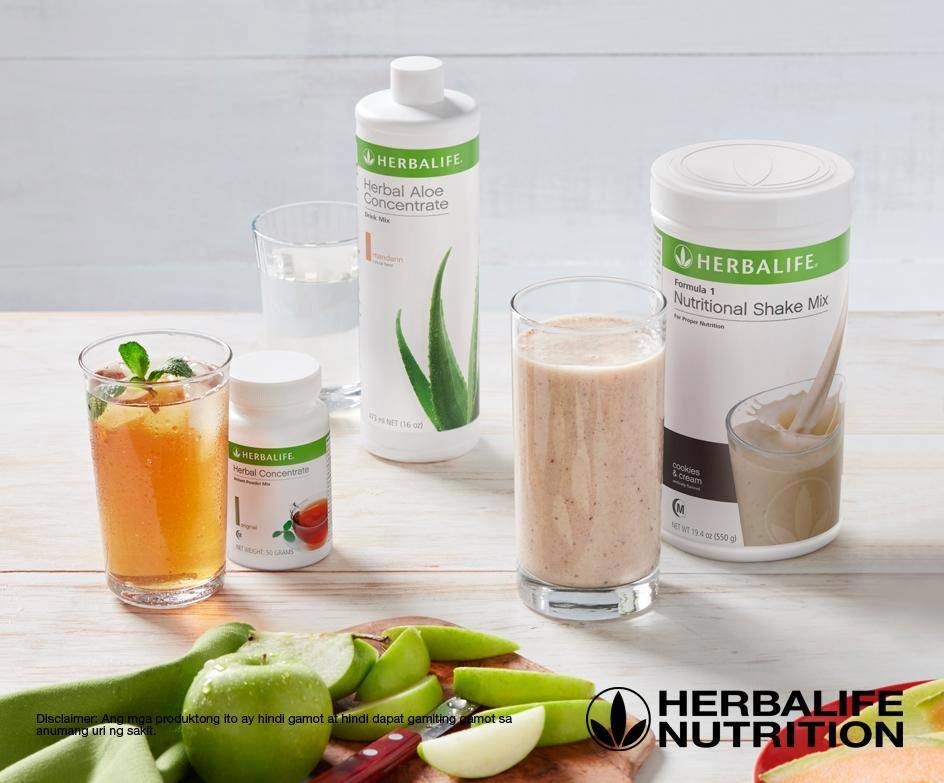
He further emphasized the need to take the right supplements and vitamins to keep young. Herbalife Nutrition, he said, has the Formula 1 Shake, Herbalife Tea Concentrate, and Herbal Aloe that makes for a power breakfast. Aside from the Vitamin and Minerals and other products for targeted nutrition.

The good doctor also revealed the results of the Herbalife Nutrition 2020 Asia Pacific Healthy Aging Survey, where consumers said that healthy aging is about being mentally active and sharp (61%); being physically active (57%); not suffering from an illness (56%); living a free and independent life (52%); not being a burden to their family (51%).

The survey cited four in 10 Filipinos expressed confidence in their ability to age healthily, with eight in 10 saying that they have already taken steps to age healthily. Among those surveyed, 75% said they are taking vitamins and minerals; 28% are taking antioxidants, and 27% are taking calcium to help boost their immune system. 

The survey polled equal numbers of Generation Z (18 - 23 years), Millennials (24 - 39 years), Generation X (40 - 55 years), and Boomers+ (55 years and above) in 11 markets including Australia, Hong Kong, Indonesia, Japan, Korea, Malaysia, Philippines, Singapore, Taiwan, Thailand, and Vietnam.

Consumers defined healthy aging and painted a positive picture. Respondents said that healthy aging is about being mentally active and sharp (61 percent), physically active (57 percent), not suffering from any chronic or acute illness (56 percent), living a free and independent life (52 percent), and not being a burden to their family as they age (51 percent).

Only three in 10 (28 percent) Asia Pacific consumers expressed confidence in their ability to age healthily. Consumers in Southeast Asia were generally more confident than those in Northeast Asia. Indonesia had the greatest confidence (61 percent), followed by Malaysia (44 percent) and the Philippines (43 percent). On the other hand, consumers in Korea (17 percent), Taiwan (17 percent), Hong Kong (13 percent), and Japan (9 percent) displayed the lowest confidence across the Asia Pacific region.

The majority of Asia Pacific consumers understand the importance of healthy aging, with seven in 10 consumers (73 percent) working on aging the healthy way. The steps they have cited include:
  • Making better nutrition choices (73 percent).
  • Engaging in more regular physical activities (69 percent).
  • Engaging in mentally-stimulating activities or hobbies (50 percent).
  • Taking supplements that promote healthy aging (46 percent).
  • Going for more regular health check-ups (42 percent).

Monday, September 21, 2020

Have a Clear Vision for Healthy Aging, But Fear of Illness Due to Lower Immunity Topped List of Aging-Related Worries from Herbalife Nutrition Survey


Herbalife Nutrition Survey Reveals Asia Pacific Consumers Have a Clear Vision for Healthy Aging, But Fear of Illness Due to Lower Immunity Topped List of Aging-Related Worries. Survey reveals that less than three in 10 Asia Pacific consumers are confident in their ability to age healthily.
“This is the third edition of our survey designed to uncover concerns about aging across demographic groups and markets in the Asia Pacific, the region with the highest average life expectancy in the world. The findings showed that many people worry about falling ill due to lower immunity as they age – a likely result of their changing health concerns due to the ongoing pandemic. Additionally, we also observed that consumers in Northeast Asia markets, where an aging population is particularly notable, have lower levels of confidence in their ability to age healthily compared to their Southeast Asia counterparts.” ~Stephen Conchie, Senior Vice President and Managing Director, Herbalife Nutrition Asia Pacific
Premier global nutrition company, Herbalife Nutrition, today released findings from the 2020 Asia Pacific Healthy Aging Survey, which revealed that Asia Pacific consumers have a clear vision of what healthy aging means to them, but less than three in 10 consumers had the confidence to age healthily, with the fear of falling ill due to lower immunity as their top worry. 


To shed light into Asia Pacific consumers’ aging-related fears, concerns, confidence levels, and actions, the survey polled equal numbers of:
  • Generation Z (18 – 23 years)
  • Millennials (24 – 39 years)
  • Generation X (40 – 55 years)
  • Boomers+ (55 years and above)
In 11 markets including:
  1. Australia
  2. Hong Kong
  3. Indonesia
  4. Japan
  5. Korea
  6. Malaysia
  7. Philippines
  8. Singapore
  9. Taiwan
  10. Thailand
  11. Vietnam
For those who are concerned about aging, two-thirds (60 percent) of consumers started to have concerns between the age of 30 and 59, with bone- and joint-related issues topping the list of specific health concerns, followed by brain-related and eye-related issues. 

  • Fear of Aging
Only three in 10 (28 percent) Asia Pacific consumers expressed confidence in their ability to age healthily. Consumers in Southeast Asia were generally more confident than those in Northeast Asia. Indonesia had the greatest confidence (61 percent), followed by Malaysia (44 percent) and the Philippines (43 percent). On the other hand, consumers in Korea (17 percent), Taiwan (17 percent), Hong Kong (13 percent) and Japan (9 percent) displayed the lowest confidence across the Asia Pacific region. 

Defining Healthy Aging 
When asked to define healthy aging in more tangible terms, Asia Pacific consumers painted a positive picture. Respondents shared that healthy aging is about being mentally active and sharp (61 percent), physically active (57 percent), not suffering from any chronic or acute illness (56 percent), living a free and independent life (52 percent), and not being a burden to their family as they age (51 percent).

Aging-Related Concerns 
Over half (54 percent) of Asia Pacific consumers believe that discussions on how to age healthily should begin between the ages of 30 and 49. The most common reason given for postponing discussions about aging was that they are still young, followed by the prioritization of their present health and lifestyle. 
“As Healthy Aging Month falls in September, this is an opportune time for us to deepen awareness about the need to take steps towards healthy aging earlier in life. At Herbalife Nutrition, we believe that a healthy diet and an active lifestyle can play a part in slowing down or preventing many age-related diseases. Most Asia Pacific consumers have already begun to consider adopting positive habits to age more healthily. However, with the fear of aging being prominent among consumers, we see a crucial need to help them strengthen their confidence in their ability to take proper actions. We believe that by sharing education on adopting the right nutritional habits and appropriate physical activities, we can help people find the right path towards healthy aging.” ~Stephen Conchie, Senior Vice President and Managing Director, Herbalife Nutrition Asia Pacific
Across the different demographic groups, younger consumers such as the Generation Z (31 percent) and Millennials (32 percent) displayed greater confidence in their ability to age healthily as compared to their older Generation X (26 percent) and Boomers+ (24 percent) counterparts. 

The fear of falling ill due to lower immunity emerged as the top aging-related worry:
  • Two in five (38 percent) respondents worry about falling ill due to lower immunity as they age.
  • One in five (18 percent) worry that visible signs of aging will change their appearance. 
  • One in five (18 percent) fear that they might become less independent as the body becomes weaker. 

Regarding the potential aging-related effects that consumers will experience: 
  • 65 percent of respondents believe that they would experience a decrease in mental acuity; 
  • 57 percent believe that they would most likely suffer from chronic or acute illnesses or ailments; 
  • Half believe that they will participate in fewer physical activities and be physically weaker as they grow older. 

Taking Steps Towards Healthy Aging 
Nonetheless, the majority of Asia Pacific consumers understand the importance of healthy aging, with seven in 10 consumers (73 percent) having taken steps to help age healthily. The steps taken include: 
  • Making better nutrition choices (73 percent).
  • Engaging in more regular physical activities (69 percent).
  • Engaging in mentally-stimulating activities or hobbies (50 percent).
  • Taking supplements that promote healthy aging (46 percent).
  • Going for more regular health check-ups (42 percent).


Across the demographic groups, a larger proportion (75 percent) of older consumers such as the Boomer+ have taken steps towards healthy aging as compared to their younger Generation X (70 percent) and Millennial counterparts (71 percent). The Generation Z consumers also seem to be the group that is least likely to take steps towards healthy aging, with only 65 percent having done so.

For more information, please visit IAmHerbalifeNutrition.com.


About Herbalife Nutrition
Herbalife Nutrition is a global company that has been changing people's lives with great nutrition products and a proven business opportunity for its independent distributors since 1980. The Company offers high-quality, science-backed products, sold in over 90 countries by entrepreneurial distributors who provide one-on-one coaching and a supportive community that inspires their customers to embrace a healthier, more active lifestyle. Through the Company’s global campaign to eradicate hunger, Herbalife Nutrition is also committed to bringing nutrition and education to communities around the world.


Monday, August 10, 2020

Carbohydrates and Exercise: Why You Need Carbs If You’re Active

Brooke Ellison, MS, RDN – Sports Performance Dietitian, Herbalife Nutrition

Healthy carbs have a place in healthy diets—plus, they're a crucial part of working out and living well. In addition to protein and fat, carbohydrates are one of the three macronutrients in food, and you need them for energy and fuel. When you exercise, you need something to start your engine and keep it going, and that something often comes in the form of healthy carbs. 

Balanced nutrition is important for exercise, but carbohydrates are especially key for maintaining peak performance during physical activity. In fact, carbohydrates are the most important source of fuel in an athlete’s diet. Anyone who’s active and moves their body is an athlete; therefore, no athlete should avoid carbs.


How Do Carbs Help with Exercise and Performance?
There’s a common misconception that all carbs are bad, without considering the fact that there are many healthy carbs to choose from. Here are the top five reasons why you shouldn’t fear or avoid carbs.

Carbohydrates fuel the brain and muscles.
Carbohydrates are the main source of energy for our brains and bodies to function properly; they provide fuel for the central nervous system and energy for working muscles. Think of it as fuel for your car: our bodies store carbs in our muscles as glycogen, which is then converted to glucose when you need it.

Carbs help delay fatigue, sustaining you through prolonged workouts or competitive sports.

Carbohydrates prevent muscle breakdown.
By eating enough carbohydrates throughout the day, protein is free to do its main job: repair and rebuild muscle tissue. If we limit carbohydrates, the protein will be needed as an energy source and not be utilized to build lean muscles.

Adequate carbohydrate intake can prevent muscle breakdown from glycogen depletion, especially if you’re working to maintain or build your muscles.

Carbohydrates should make up the majority of the diet.
As a sports dietitian, I often recommend a high-carb diet for athletes who need a lot of endurance and stamina, in order to sustain the daily demands of training and exercise. Of course, needs vary based on the individual and the type of exercise or sports they engage in.

Individuals engaging in a general fitness program can usually meet their needs by consuming a balanced diet of 45-55% of calories from carbohydrates. That is about 3-5 grams of carbohydrate per kilogram body weight, per day.

Carbohydrates before a workout will boost your performance.
If you have ever felt sluggish or low on energy during a workout, you probably didn’t fuel up with sufficient carbs. Fueling up before exercise helps maintain optimal levels of blood glucose for our muscles.

To avoid poor performance, choose pre-workout snacks that are easy to digest, such as bananas, an English muffin with jam, or a granola bar. Foods high in fiber and fat can cause gastrointestinal distress and should be avoided close to exercise.

Carbohydrates accelerate recovery.
Consuming carbohydrates after exercise helps replenish the energy stores that were just utilized during strenuous exercise. Activity longer than one hour will require extra attention to carbohydrate refueling.


Muscles need protein and carbohydrates to properly recover and become stronger. A post-exercise recovery shake with a 3:1 ratio of carbohydrates to protein is the perfect way to refuel. Try blending Herbalife24® Rebuild Strength with a banana and 10 ounces of milk to optimize your recovery.

Maintaining an optimal diet has many benefits to athletes, including consistent performance and enhanced recovery. Carbohydrates rightfully receive a great deal of attention in sports nutrition.


About Herbalife Nutrition Ltd.
Herbalife Nutrition is a global company that has been changing people's lives with great nutrition products and a proven business opportunity for its independent members since 1980. The Company offers high-quality, science-backed products, sold in over 90 countries by entrepreneurial members who provide one-on-one coaching and a supportive community that inspires their customers to embrace a healthier, more active lifestyle. Through the Company’s global campaign to eradicate hunger, Herbalife Nutrition is also committed to bringing nutrition and education to communities around the world.

For more information, please visit IAmHerbalifeNutrition.com.

Herbalife Nutrition also encourages investors to visit its investor relations website at ir.herbalife.com as financial and other information is updated and new information is posted.


Friday, July 24, 2020

Herbalife Nutrition Survey Reveals Filipinos Need to Close Nutrition Knowledge Gap

Dr. Chin Kun-Wang, Member, Nutrition Advisory Board, Herbalife Nutrition  
“The results of the quiz and the survey show that there is a significant nutrition knowledge gap among Filipinos. We hope to help close the gap to empower them with the nutrition knowledge they need to make better nutrition choices. This is a good sign, so the next step is helping them achieve this. Our peak bone mass (max bone size and strength) is dependent on calcium intake and reaches its peak by age 30. However, sufficient calcium intake throughout life can reduce the risk of osteoporosis. Protein powder can be as good as protein from natural foods if derived from high-quality sources. For instance, soy protein from soybeans is a complete protein, providing a full range of nine essential amino acids for the body’s nutrition requirements.” ~Sridhar Rajagopalan, Senior Director, Sub-Region Head, and General Manager of Herbalife Nutrition Philippines

Sridhar Rajagopalan, Senior Director, Sub-Region Head, and General Manager of Herbalife Nutrition Philippines
Did you know that only 19% of Filipino consumers got 50% of the answers correct in a general nutrition knowledge quiz conducted by premier global nutrition company Herbalife Nutrition? The Philippines’ score was lower than the Asia Pacific (APAC) average of 23%.


The quiz was administered as part of Herbalife Nutrition’s Asia Pacific Nutrition Myths Survey 2020, which was conducted in March with 5,500 respondents from Australia, Hong Kong, Indonesia, Japan, Korea, Malaysia, Philippines, Singapore, Taiwan, Thailand, and Vietnam. To test the nutrition knowledge of the survey participants, the quiz included a total of 48 “True or False” questions spanning nine nutrition areas - general nutrition, protein, carbohydrates, fats, vitamins, minerals, caffeine, weight management, and breakfast. 

Dr. Chin Kun-Wang, Member, Nutrition Advisory Board, Herbalife Nutrition  
Only 7% among those surveyed said that they were extremely confident about their nutrition knowledge. Fifty-four percent claimed that they were only somewhat well-informed.

10 Rules in Boosting the Immune Health
  1. High-quality protein supply
  2. WHole cereals intake, rich supply of vitamin B complex
  3. Vegetables, fruits, and mushroom
  4. Garlic, onion, and ginger into a diet
  5. Less oil and fried foods: reduce 20% of oil intake everyday could increase 40% of immune function
  6. Less sugar intake. Prevent to drink or eat sugar-added drink and foods Reduce 100 grams of sugar intake everyday could increase 50% of white blood cells function
  7. Probiotics
  8. Multiple vitamins and minerals supplements
  9. One apple or pear per day
  10. Hydration


What Filipinos Got Right and Wrong About Nutrition Knowledge

Majority of the Filipino respondents (85%) falsely believe that one needs sufficient calcium intake at any age to optimize peak bone mass for bone health.

When it comes to fats, 68% got it right that fats provide the body with energy but only 42% correctly believed that it helps the body absorb vitamins.

80% correctly said that exercise helps the body rebuild muscles and increase lean muscles. However, 51% of falsely believe that protein powder is not a healthy source of protein as compared to a protein found in natural foods.

94% of the Filipino consumers were right in their belief that fruits and Vitamin C supplements can help boost immunity and resistance to infection. Among the APAC respondents, they were the highest in this belief.


Online Myths and Misinformation: Top Barrier to Gaining Accurate Nutrition Knowledge

While 47% of Filipino consumers believed that it is extremely important to be educated with proper and accurate nutrition knowledge, they also said that too much misinformation and myths online prevent them from gaining accurate nutrition knowledge (39%).

The other top barriers were lack of information from government websites and health authorities (22%) and the lack of information from healthcare professionals (17%).


Filipino consumers, however, expressed that they believe in the importance of balanced nutrition. It is among the top three nutrition advice that they were most interested in along with how to improve ailment/condition through nutrition and managing weight through nutrition.


About Herbalife Nutrition Ltd.
Herbalife Nutrition is a global company that has been changing people's lives with great nutrition products and a proven business opportunity for its independent members since 1980. The Company offers high-quality, science-backed products, sold in over 90 countries by entrepreneurial members who provide one-on-one coaching and a supportive community that inspires their customers to embrace a healthier, more active lifestyle. Through the Company’s global campaign to eradicate hunger, Herbalife Nutrition is also committed to bringing nutrition and education to communities around the world.


For more information, please visit IAmHerbalifeNutrition.com.


Saturday, July 11, 2020

Herbalife Nutrition's Second Annual Global Entrepreneurship Survey 2020


Conducted by OnePoll in March and April 2020, Herbalife surveyed 9,000 women on their attitude towards entrepreneurship.
Premier global nutrition company, Herbalife Nutrition, today released new findings from its second annual Global Entrepreneurship Survey 2020, which revealed that women in Southeast Asia have stronger entrepreneurial aspirations compared to women across the globe. According to the survey findings, four in five women (81%) in Southeast Asia aspire to be entrepreneurs, higher than the global average of 72%, with the desire to become entrepreneurs being most pronounced among the Generation Z and Millennials aged 18 to 39. 


Conducted by OnePoll in March and April 2020, the Herbalife Nutrition Global Entrepreneurship Survey 2020  polled 9,000 women, including 2,000 women from Indonesia, Malaysia, Philippines and Singapore on their attitudes towards entrepreneurship. Beyond uncovering the entrepreneurial ambitions of women in Southeast Asia, the survey found that practical reasons took precedence as the top motivators for entrepreneurship during this time. When asked about their motivations for starting their own business, the need to support their family (56%), the desire to become their own boss (54%) and the desire for a career change (53%) emerged tops, ahead of other reasons such as wanting more flexibility in their job (45%) and following their passion (41%).
“The need to find alternative sources of income to support their families has become the top motivating factor for entrepreneurship among Southeast Asian women. With more women in the region having a desire to start their own business compared to the global average, we see opportunities for countries to actively encourage women entrepreneurship. Bringing together public and private sectors to provide the opportunities, resources, education, and training to support women entrepreneurs will empower them to break out of social and cultural norms and lay the foundation for more inclusive economic growth. Not only can they benefit from having better income opportunities, society will profit from having a new generation of entrepreneurial role models that can pave the way for better opportunities for women in the future.” ~Stephen Conchie, Senior Vice President and Managing Director for Asia Pacific, Herbalife Nutrition

Financial concerns surrounding entrepreneurship weigh heavy on women’s minds 
While the survey revealed that four in five women (81%) in Southeast Asia aspire to be entrepreneurs, only three in five women (59%) have taken actual steps to start their own business. Key barriers that prevent them from doing so include:
  • The initial cost to open a business (58%)
  • Lack of financing and market knowledge support (46%)
Despite these concerns, the potential to grow their income was the top benefit associated with entrepreneurship by 63% of women in Southeast Asia, followed by the ability to better support their family (51%) and the potential to earn what they believe they are worth (49%).

Aspiring women entrepreneurs want to become role models for younger women
Beyond the lure of income, 84% of Southeast Asian women said that a key driver for entrepreneurship is their desire to become a role model for younger women. Additionally, close to seven in 10 (67%) said that they want to help break the glass ceiling for women through their entrepreneurship endeavors.

Overall, close to four in five women (77%) in Southeast Asia believing that women have to work harder to be given the same opportunities in the workplace, they also see entrepreneurship as a means to open up new opportunities for other women in the region. In fact:
  • 58% of women in Southeast Asia want to offer opportunities for career advancement to other women through entrepreneurship
  • 56% want to give women more positive female role models
  • 54% want to use entrepreneurship as an opportunity to showcase the differentiated skills that women have compared to men

Financial support, market knowledge and mentorship key to women in entrepreneurship 
To help Southeast Asian women take the first step out to start their own business, the following were highlighted as key building blocks for their entrepreneurship journey:
  • Sufficient business and financial knowledge (73%)
  • Sufficient savings or financial stability (71%)
  • A supportive family (64%)
  • Ability to operate a home-based business (64%)
  • A mentor to guide them in my entrepreneurship journey (61%)
  • Ability to work on their business part-time until they are ready to go full-time (51%)

For more information, please visit IAmHerbalifeNutrition.com

While the road to entrepreneurship may not be smooth-sailing, seven in 10 (70%) women in Southeast Asia believe that the journey will be life-changing, while six in 10 (64%) believe that it will be inspiring.


About Herbalife Nutrition
Herbalife Nutrition is a global company that has been changing people's lives with great nutrition products and a proven business opportunity for its independent members since 1980. The Company offers high-quality, science-backed products, sold in over 90 countries by entrepreneurial members who provide one-on-one coaching and a supportive community that inspires their customers to embrace a healthier, more active lifestyle. Through the Company’s global campaign to eradicate hunger, Herbalife Nutrition is also committed to bringing nutrition and education to communities around the world.

Herbalife Nutrition also encourages investors to visit its investor relations website at ir.herbalife.com as financial and other information is updated and new information is posted.